Companion Gardening: The Secret To A Thriving Garden
Companion Gardening: The Secret to a Thriving Garden
If you're looking to grow a healthy and productive garden, companion planting is a must-know technique. Companion planting is the practice of planting certain plants together for mutual benefit. By understanding the relationships between different plants, you can create a garden that is more productive, pest-resistant, and easier to care for.
In this blog post, we'll discuss the basics of companion planting, including:
- What is companion planting?
- How does it work?
- What are some of the most beneficial companion plants?
- How to choose the right companion plants for your garden
- Tips for companion planting
What is Companion Planting?
Companion planting is the practice of planting certain plants together for mutual benefit. This can be done by planting plants that have similar growing requirements, that attract beneficial insects, or that repel pests. For example, you might plant tomatoes and basil together because they both thrive in full sun and well-drained soil. Basil also helps to repel tomato hornworms, a common pest of tomatoes.
How Does It Work?
The benefits of companion planting come from the relationships that plants have with each other. Some plants release chemicals that attract beneficial insects, such as ladybugs and lacewings. These insects help to control pests, which can protect your plants from damage. Other plants release chemicals that repel pests, such as marigolds and nasturtiums.
Some plants also help to improve the soil, either by adding nutrients or by improving drainage. For example, beans and peas fix nitrogen in the soil, which can help to fertilize other plants. Onions and garlic also help to improve drainage, which can be beneficial for plants that are susceptible to root rot.
What Are Some of the Most Beneficial Companion Plants?
There are many different companion plants that can benefit your garden. Here are a few of the most beneficial:
- Tomatoes and basil: Basil helps to repel tomato hornworms, a common pest of tomatoes. It also helps to improve the flavor of tomatoes.
- Beans and peas: Beans and peas fix nitrogen in the soil, which can help to fertilize other plants. They also help to improve drainage.
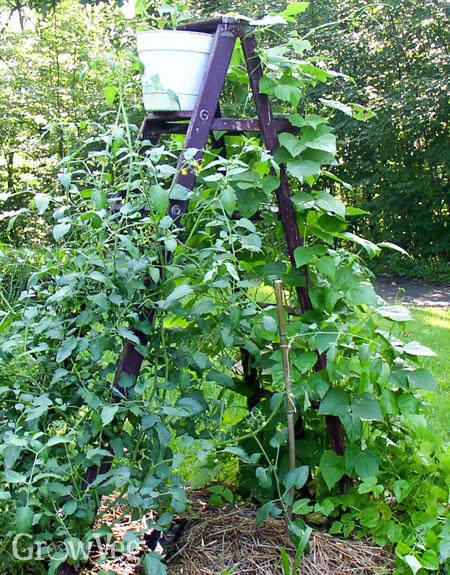
- Carrots and onions: Onions help to repel carrot root fly, a common pest of carrots. They also help to improve the flavor of carrots.

- Marigolds and tomatoes: Marigolds help to repel nematodes, a common pest of tomatoes. They also help to improve drainage.
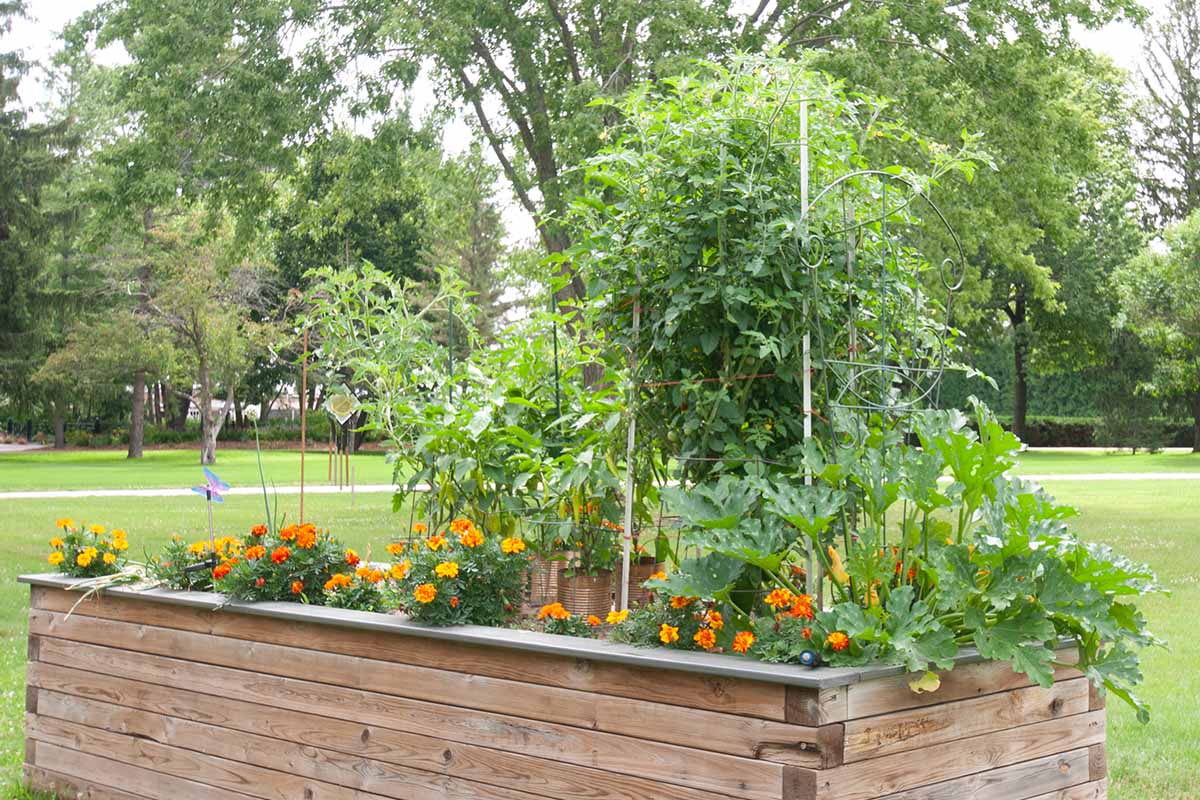
- Nasturtiums and squash: Nasturtiums help to repel squash bugs, a common pest of squash. They also help to attract beneficial insects.

How to Choose the Right Companion Plants for Your Garden
When choosing companion plants for your garden, there are a few things to keep in mind:
- The plants' growing requirements: Make sure that the plants you choose have similar growing requirements, such as sun exposure, soil type, and water needs.
- The plants' pest and disease resistance: Choose plants that are resistant to the same pests and diseases. This will help to protect your garden from damage.
- The plants' beneficial qualities: Choose plants that have beneficial qualities, such as attracting beneficial insects or improving the soil.
Tips for Companion Planting
Here are a few tips for companion planting:
- Do your research: There are many resources available that can help you to choose the right companion plants for your garden.
- Experiment: Don't be afraid to experiment with different companion plants. You may be surprised at the results.
- Keep an eye on your plants: Monitor your plants closely and make adjustments as needed.
Conclusion
Companion planting is a great way to improve the productivity, pest-resistance, and overall health of your garden. By understanding the relationships between different plants, you can create a garden that is more beautiful and productive.
null
FAQ of companion gardening
1. What is companion gardening?
Companion gardening is the practice of planting different types of plants together in order to benefit each other. Some plants attract beneficial insects, while others deter pests. Some plants improve the soil, while others provide shade or windbreaks. By planting the right plants together, you can create a more productive and pest-resistant garden.
2. What are some of the benefits of companion gardening?
There are many benefits to companion gardening, including:
- Increased productivity: Companion plants can help to attract pollinators, which can increase the yield of your crops.
- Reduced pest problems: Some companion plants can deter pests, while others can attract beneficial insects that prey on pests.
- Improved soil health: Some companion plants can improve the soil by adding nutrients or by suppressing weeds.
- Increased biodiversity: Companion gardening can help to increase the diversity of plants and animals in your garden, which can make it more resilient to pests and diseases.
3. How do I choose companion plants?
There are many resources available to help you choose companion plants. You can find books, websites, and even apps that list which plants are compatible with each other. Here are a few things to keep in mind when choosing companion plants:
- Consider the needs of your plants. Some plants need full sun, while others prefer partial shade. Some plants need well-drained soil, while others are more tolerant of wet soil.
- Think about the pests and diseases that are common in your area. Choose companion plants that can help to deter or control these pests.
- Consider the aesthetics of your garden. If you want a colorful garden, choose companion plants that have different flowers or foliage.
4. How do I plant companion plants?
When planting companion plants, it's important to consider their growth habits. Some plants grow tall, while others grow short. Some plants spread out, while others grow in a single clump. By planting companion plants that have compatible growth habits, you can help to ensure that they have enough space to grow and thrive.
5. Where can I find more information about companion gardening?
There are many resources available to learn more about companion gardening. Here are a few suggestions:
- Books: The Companion Gardener by Louise Riotte, The Vegetable Gardener's Bible by Edward C. Smith, and The New Kitchen Garden by Barbara Damrosch
- Websites: The Old Farmer's Almanac, The National Gardening Association, and Mother Earth News
- Apps: Companion Planting by the University of Minnesota Extension and Companion Planting by the University of California, Davis
Image of companion gardening
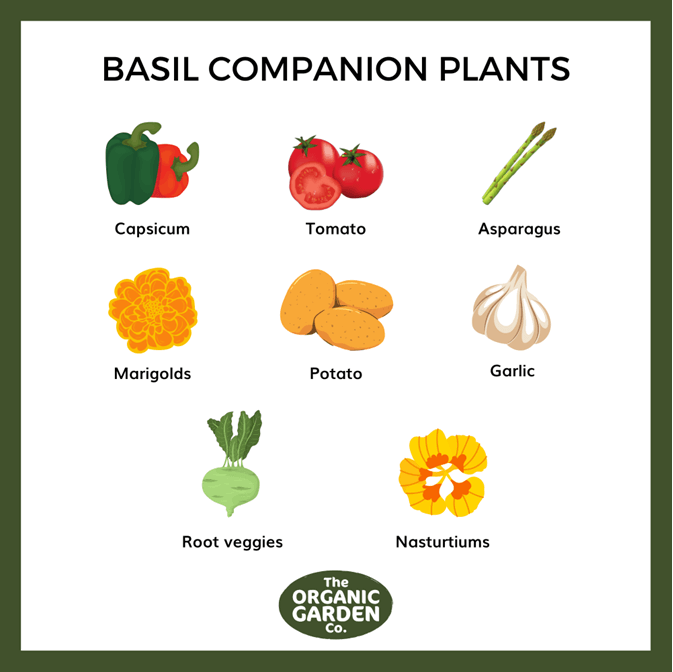 Rose and basil are a classic companion plant combo. The basil helps to deter pests from the roses, and the roses provide support for the basil.
 Marigolds and nasturtiums are another popular companion plant combo. The marigolds help to repel nematodes, which can damage the roots of nasturtiums. The nasturtiums help to attract pollinators, which help to fertilize the marigolds.
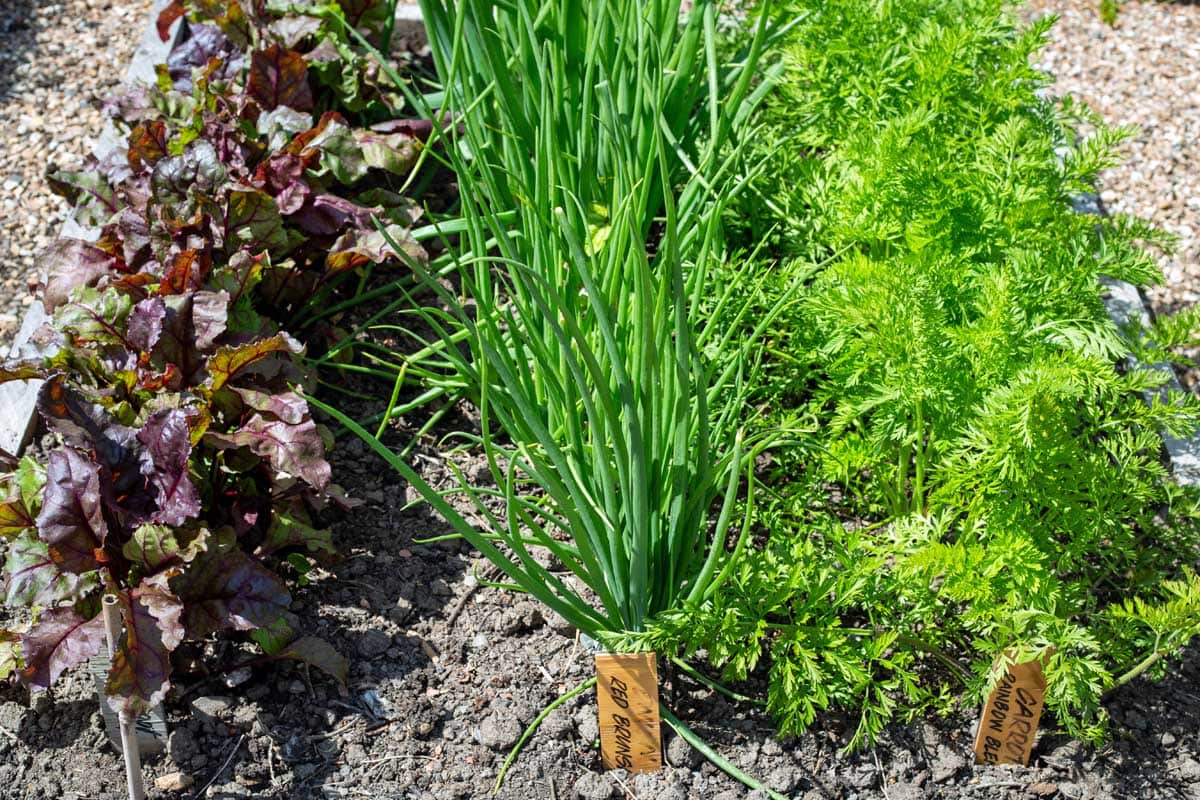 Chives and carrots are a good companion plant combo because they have different root systems. The chives have shallow roots, while the carrots have deep roots. This means that they won't compete for water or nutrients.
Tomatoes and beans are a good companion plant combo because they help each other to grow. The tomatoes provide support for the beans, and the beans help to fix nitrogen in the soil, which benefits the tomatoes.
 Lavender is a good companion plant for many other plants. It helps to repel pests, attract pollinators, and improve the soil.
Post a Comment for "Companion Gardening: The Secret To A Thriving Garden"