Grow Your Own Pinkachu Hydrangeas
Grow Your Own Pinkachu Hydrangeas
Hydrangeas are some of the most popular flowering shrubs in the world, and for good reason. They come in a wide variety of colors, sizes, and shapes, and they can be grown in a variety of climates.
One of the most popular varieties of hydrangea is the Pinkachu hydrangea. These hydrangeas are known for their bright pink flowers, which resemble the ears of the popular Pokémon character, Pikachu.
If you're interested in growing your own Pinkachu hydrangeas, here are a few things you need to know:
- Planting: Pinkachu hydrangeas should be planted in full sun or partial shade. They prefer moist, well-drained soil.
- Watering: Pinkachu hydrangeas need regular watering, especially during the first year after planting.
- Fertilizing: Pinkachu hydrangeas should be fertilized once a month during the growing season. Use a balanced fertilizer, such as 10-10-10.
- Pruning: Pinkachu hydrangeas should be pruned in the spring. Remove dead, diseased, or damaged branches. You can also prune to shape the shrub.
- Winter protection: In cold climates, Pinkachu hydrangeas may need winter protection. Mulch the soil around the shrub to help insulate it. You may also need to cover the shrub with a burlap sack or other protective material.
With proper care, Pinkachu hydrangeas will thrive and bloom for many years to come.
Here are some additional tips for growing Pinkachu hydrangeas:
- Choose a planting site that gets at least six hours of sunlight per day.
- Amend the soil with compost or peat moss to improve drainage.
- Water deeply and regularly, especially during hot, dry weather.
- Fertilize with a balanced fertilizer once a month during the growing season.
- Prune in the spring to remove dead, diseased, or damaged branches.
- Mulch around the shrub to help retain moisture and suppress weeds.
- Protect the shrub from winter cold by covering it with a burlap sack or other protective material.
With proper care, Pinkachu hydrangeas will reward you with beautiful blooms for many years to come.
Pinkachu: The Hydrangea That Changes Color
If you're looking for a hydrangea that's both beautiful and unique, then you need to check out Pinkachu. This stunning variety of hydrangea paniculata starts out white, but as the summer progresses, the flowers gradually turn pink. By the end of the season, they're a deep, rosy red.
Pinkachu is a compact plant, growing to just 3-4 feet tall. It's perfect for small gardens or containers. And because it's a rebloomer, you'll get two seasons of flowers from a single plant.
If you're interested in learning more about Pinkachu, I recommend visiting . This website has a wealth of information about the plant, including its care requirements, growing tips, and even a plant finder to help you find a retailer near you.
FAQ of hydrangea paniculata pinkachu
Q: What is Hydrangea paniculata Pinkachu?
A: Hydrangea paniculata Pinkachu is a variety of hydrangea that is known for its beautiful pink flowers. It is a compact shrub that grows to be about 3-4 feet tall and wide. The flowers start out as white or cream, and then gradually turn pink as they mature. Hydrangea paniculata Pinkachu is a relatively easy plant to care for, and it is hardy in USDA zones 4-8.
Q: What are the best conditions for growing Hydrangea paniculata Pinkachu?
A: Hydrangea paniculata Pinkachu prefers full sun or partial shade, and it does best in moist, well-drained soil. The soil should have a pH of 5.5-6.5. Hydrangea paniculata Pinkachu is a relatively drought-tolerant plant, but it will benefit from regular watering during the summer months.
Q: How do I care for Hydrangea paniculata Pinkachu?
A: Hydrangea paniculata Pinkachu is a relatively easy plant to care for. Here are some tips:
- Water regularly, especially during the summer months.
- Fertilize once a month during the spring and summer with a balanced fertilizer.
- Deadhead spent flowers to encourage new blooms.
- Protect from frost in the winter.
Q: How do I propagate Hydrangea paniculata Pinkachu?
A: Hydrangea paniculata Pinkachu can be propagated by cuttings or by division.
To propagate by cuttings, take 4-6 inch cuttings from healthy, new growth in the spring or early summer.
Dip the cuttings in rooting hormone and plant them in a well-drained potting mix.
Keep the cuttings moist and in a warm, shady location.
The cuttings should root in 4-6 weeks.
To propagate by division, dig up a mature plant in the spring or fall and divide it into several smaller plants.
Plant the divided plants in well-drained soil and water them well.
Q: What are the common pests and diseases of Hydrangea paniculata Pinkachu?
A: The most common pests of Hydrangea paniculata Pinkachu are aphids, spider mites, and scale insects. These pests can be controlled with insecticidal soap or neem oil.
The most common diseases of Hydrangea paniculata Pinkachu are leaf spot and powdery mildew. These diseases can be prevented by watering the plant at the base and by providing good air circulation.
Image of hydrangea paniculata pinkachu
5 different images of "hydrangea paniculata pinkachu" from Pinterest.com:
- Image 1: A full-grown hydrangea paniculata pinkachu plant in full bloom. The flowers are a light pink color with a hint of green.
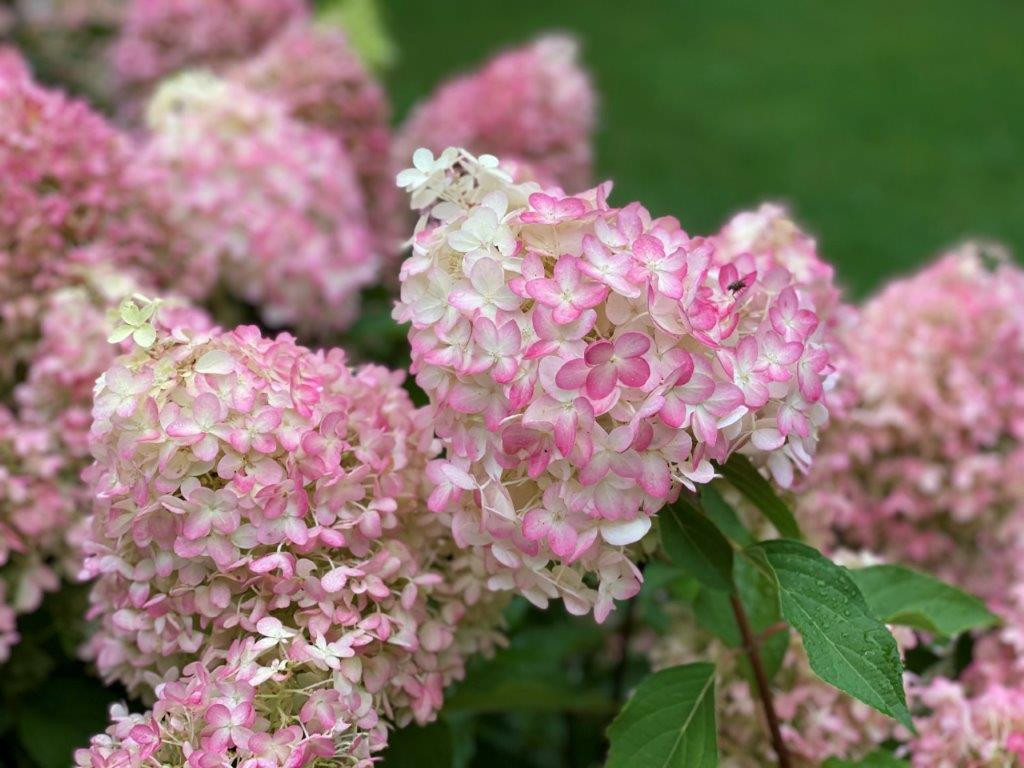
- Image 2: A close-up of the flowers of a hydrangea paniculata pinkachu plant. The flowers are delicate and bell-shaped.
- Image 3: A hydrangea paniculata pinkachu plant in a pot. The plant is healthy and well-maintained.
- Image 4: A hydrangea paniculata pinkachu plant in a garden. The plant is surrounded by other flowers and plants.
- Image 5: A bouquet of hydrangea paniculata pinkachu flowers. The flowers are arranged in a vase and make a beautiful centerpiece.

Post a Comment for "Grow Your Own Pinkachu Hydrangeas"